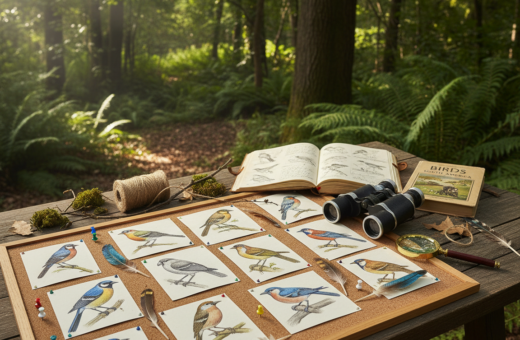
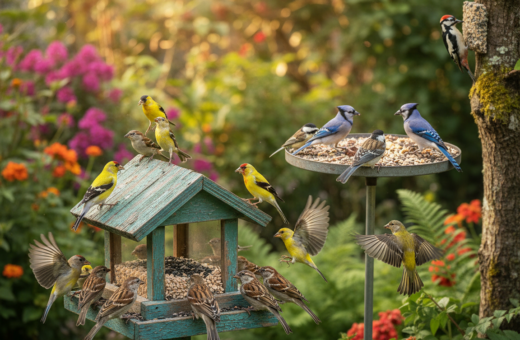
Establishing a consistent daily observation routine is the most effective way to notice more species across the year. By visiting the garden each morning, an observer learns patterns in spring and summer when a wide variety of birds come to trees and open areas.
They track the name of each sighting and note where it was seen. This practice reveals seasonal shifts and which species favor woods, fields, or urban areas in the United States.
Simple habits yield big gains: short, focused sessions build skill, and careful notes highlight subtle behavior changes. For example, the ruby-throated hummingbird hovers in a figure-eight and can cross the Gulf of Mexico in a single flight.
Regular observation over months helps the watcher connect visits to migration cycles and breeding seasons. The result is stronger field skills and a clearer view of the life that shares local green spaces throughout the year.
Establishing Your Daily Birding Routine
Daily visits at set times reveal patterns that casual watching often misses. A short, repeatable routine gives observers a clear view of seasonal shifts and species behavior.
Morning Observation Windows
Start at dawn during spring and summer when many birds are most active. In north america, mornings are ideal for spotting species as they emerge from trees and woods to forage.
- Spend 10–20 minutes focused on nearby trees and open areas.
- Note the species name and the exact location in short field notes.
- Use a checklist to record repeat visitors and rare arrivals.
Evening Check-ins
Evening sessions reveal how different species prepare for winter. Watch how birds move toward dense trees or sheltered spots in the woods.
Maintain the routine year-round to avoid missing migrants that pass through local areas. Over time, the observer builds a richer list of birds and gains sharper identification skills.
Essential Tools for Backyard Bird Identification
A compact kit of tools makes species spotting clearer and faster during short morning watches. High-quality binoculars are central for any observer in north america who wants to study birds in tall trees.
A reliable field guide helps confirm the name of a species by matching colors, shapes, and markings to clear illustrations. Many observers pair a printed guide with digital apps used across the united states to log sightings during winter and summer.
Keeping a small notebook is practical. It records the specific woods or areas where a species first appeared that year. Notes on time, weather, and behavior make future visits more productive.
- Binoculars: choose 8x or 10x for steady views.
- Field guide + app: cross-check images and songs.
- Notebook: mark location, date, and brief notes.
Proper tools reduce mistakes and help observers separate similar species during quick sessions in spring and winter.
Observing Birds by Their Unique Songs
Mastering local songs helps an observer detect species that rarely show in open areas. Listening turns hidden movement into clear clues across the seasons.
Learning the unique song of a bird is a powerful skill for identifying species in north america that hide in dense trees. Short daily listening sessions make it easier to match a tune to a name.
Interpreting Mimicry and Calls
The Northern Mockingbird often imitates other songs and calls while perched atop woods. This mimicry can mislead newcomers, so note patterns and repeated phrases.
In spring, complex songs signal breeding activity across the united states. Record the name and frequency of each song to track which species visit local areas through the year.
- Summer: many birds sing full songs; use recordings to compare.
- Winter: rely on short calls, which are easier to hear at dawn.
- Practice: focus on three common songs first, then expand.
“A keen ear reveals much that sight alone cannot.”
Identifying Species Through Flight Patterns
Flight style and path often act like a fingerprint for species, especially when they cross from trees to open ground. Observers in north america can learn much by watching wingbeat rhythm, glide versus flap, and how a bird moves between woods and open areas.
Some species show very distinct motion. For example, the Mourning Dove has fast, steady wingbeats and quick, direct flights across the united states. That motion sets it apart from other common birds.
Season matters. In spring, many species perform aerial displays and acrobatics. In winter, flights tend to aim for the ground or sheltered trees as birds seek food and cover.
Tracking flight paths across garden areas helps observers map where species feed and perch through the year. Note the takeoff style from the ground or a branch; this is a key trait for summer field work.
- Watch wingbeat rate: slow glides vs. rapid flaps.
- Track route: direct lines, erratic zigzags, or soaring circles.
- Record context: season, trees used, and where it lands.
“A moving silhouette often names itself if you know how to read the flight.”
For a practical guide to common movements and tips on how to log sightings, consult a focused resource like identify backyard birds.
Recognizing Common Backyard Visitors
Knowing a few key traits helps observers quickly sort common visitors by sight and sound. This short guide highlights three species people in north america are likely to see through the year.
The Northern Cardinal
The northern cardinal is a beloved species across the united states. The male shows a crimson crest and strong bill, while females wear tawny feathers and a softer face pattern.
Fun fact: the northern cardinal is the most popular state bird, representing seven states.
Blue Jays
Blue jays are common birds that display bold blue, black, and white wing patterns. Their blue color comes from microscopic keratin structures in their feathers that scatter light.
American Robins
The American Robin is found in every state in the Lower 48. It is easy to spot on the ground, where its rusty orange belly and steady flight make the name stick in memory.
- Look for males and females: knowing family differences clarifies behavior.
- Year-round visitors: many of these species appear in both winter and summer.
- Other common birds: house finch and house sparrows often join feeders and lawns.
“Identifying a few common species makes all other observations easier.”
Distinguishing Between Similar Species
Small details such as tail shape and body size often tell two similar species apart at a glance. Observers in north america rely on these traits when plumage looks alike. Keeping note of tail length helps separate species that forage on the ground from those that work the trees and woods.
Many in the united states confuse the Downy and Hairy woodpecker during winter and summer. The Hairy is larger and shows a proportionally longer tail. The Downy has a shorter, stubby tail and a smaller bill.
Compare song and flight as well. A quicker, direct flight or a distinct call can confirm a name when markings fail. Seasonal wear and molt also change looks, so record sightings across spring, summer, and winter to spot patterns.
- Check tail length: short vs. long relative to body.
- Watch flight: wingbeat rate and route reveal species.
- Listen to song: match phrases to confirm uncertain views.
“Tail and flight often give the clearest clue when two species seem identical.”
Attracting a Wide Variety of Birds
Offering a mix of seed types draws more species to feeders across the seasons. Simple changes in seed selection and placement produce noticeable results in spring, summer, and winter.
Choose seeds with purpose. In the United States, black oil sunflower seeds remain a top choice in winter. They are high-energy and appeal to many common species.
During summer, supplement feeders with native flowers and seed-producing plants. These provide natural food and also support local insects that birds eat while feeding their young.
Selecting the Right Seeds
Offer stripped sunflower, nyjer, and mixed millet to test preferences. Place feeders near trees or woods to give cautious birds quick access to cover.
- Rotate seed types: observe which seeds bring new species to your area.
- Mix placement: hang feeders off branches and set one lower for ground feeders.
- Record results: note which seeds attract the most species in specific areas of north america.
“A varied menu brings a wider variety of visitors.”
Seasonal Changes in Bird Populations
Seasonal shifts send many species moving between winter refuges and summer breeding grounds across north america. Migration drives large changes in local populations and reshapes who appears in local areas each season.
In spring, observers note a clear surge as migrants return to the united states to nest. Numbers rise quickly and new songs fill the trees.
Many species that spend winter in the woods move into more open areas in summer to raise young. These moves shift where one will see birds feeding on the ground, perching in shrubs, or singing from high branches.
Tracking these seasonal changes helps observers learn the life cycle of local species. Recording arrival and departure dates clarifies timing and reveals which species prefer woods versus open areas.
- Spring: surge of migrants and nesting activity.
- Summer: many species use open areas to feed young.
- Winter: populations contract as long-distance migrants leave.
“Watching arrival and departure offers a direct connection to the natural rhythms of the year.”
Understanding Bird Behaviors and Nesting
Studying how nests are placed gives clues to which species will use nearby trees or shrubs. Observers learn where to look in spring and which areas matter in winter. This context improves seasonal lists and the chance to hear a song or see feeding visits.
Nesting Habits
Many species in north america build nests in trees or dense woods to shield their family from predators. Nests vary widely: some are small cups, others are bulky platforms.
The Black-billed Magpie constructs massive, round nests that can reach three feet in diameter. These nests often have clear entry and exit holes and serve as a year-round home for the family.
Feeding Young
During summer, parents make repeated trips to feed chicks. Watching feeding frequency reveals the size and needs of a brood.
- Protect the family: avoid disturbing active nests in spring.
- Note placement: trees and thick woods are common choices for many species.
- Record behavior: feeding visits and nest construction show survival strategies in the united states.
“Respectful observation lets families raise young while the watcher learns.”
Tips for Spotting Birds in the Woods
Quiet steps and steady patience often reveal more species in the woods than hurried looks do. Move slowly and keep noise low while passing through trees. This helps shy birds stay in view.
Time of day matters. In north america, early morning in spring and summer gives the best chance to see active birds. Short watches of 10–20 minutes can yield many sightings.
Watch for active nests and birds carrying food. These signs point to nearby feeding and nest visits. Note nest locations without disturbing them; nests reveal where species raise their young.
Many species shelter in the woods during winter for cover and warmth. Listen for soft calls and rustling in dense canopy to find hidden activity.
- Stay quiet: reduce movement near known nesting areas.
- Use sound: let ears lead the eyes to singing or calling birds.
- Scan canopy: check branches and trunks for feeding trips.
“Patience and listening turn the woods into a classroom of birds.”
Managing Feeders to Encourage Visits
Simple feeder maintenance and strategic placement encourage more visits from local species year-round.
Keep feeders clean. Regular cleaning reduces disease and protects the health of birds that visit in the united states. Empty, scrub, rinse, and dry feeders every two weeks, or more often in warm spring and summer months.
Choose the right feeder types. Tube, platform, and suet feeders each lure different species. Mixing styles attracts more variety to nearby trees and woods without crowding any single location.
In winter, a reliable feeder stocked with high-quality seeds can be a lifeline. Provide black oil sunflower and mixed seeds to supply needed energy when natural food is scarce.
- Place feeders where they are visible from the home for easy monitoring during spring and summer.
- Refill regularly to keep visits steady and to build trust with regular visitors.
- Rotate seeds and sites to discover which areas and blends attract the most species.
“A clean, well-stocked feeder becomes a dependable stop through every season.”
Identifying Birds by Their Physical Features
Small details—like bill shape or a red patch on the head—often reveal a species before song or behavior does. Observers in north america learn to scan feathers, bills, and posture during short watches. This visual focus helps when calls are faint or absent.
Differences Between Males and Females
Sexual dimorphism appears across many species. Males often show brighter feathers or distinct head markings. Females usually have subtler tones to blend while nesting in trees or woods.
For woodpeckers, the contrast can be clear. The Downy Woodpecker and Hairy Woodpecker look alike, yet bill size and body proportion differ. Note that the Downy Woodpecker has a reinforced brain case that cushions pecking impacts.
- Head marks: a red patch on a male can separate sexes quickly.
- Bill shape: short versus long bills help sort similar species.
- Seasonal cues: watch males and females at feeders in spring and summer, and note who stays in winter.
Practiced observation of these traits makes species records more accurate across the united states and beyond.
The Role of Native Plants in Birding
Choosing plants that evolved locally gives wildlife reliable food and shelter through changing seasons. Native trees and shrubs support a wide range of species across the united states.
Native vegetation thrives with local climate and invites insects, berries, and seeds that many birds need in spring and during the summer breeding season.
By planting groups of native trees and shrubs, an observer encourages nesting on site instead of in distant woods. That creates steady habitat use from winter into summer.
- Food: native plants supply berries and hosts for caterpillars that feed young birds in spring.
- Shelter: dense shrubs and layered trees give safe places to roost and hide.
- Year-round value: many species rely on natives through harsh winter and warm summer months.
“A garden of native plants becomes a sanctuary that sustains local wildlife all year.”
Utilizing Digital Resources for Identification
Digital tools now let observers match a photo or a short sound clip to a name in seconds. This speeds learning and reduces guesswork for newcomers.
The Cornell Lab of Ornithology offers the Merlin Bird ID app, a powerful resource for users across the united states. Merlin accepts photos and short recordings to suggest likely names and local range maps.
Many online databases provide detailed range and behavior notes for species found throughout north america. These sites let users compare sightings to known migration timing and habitat preferences.
Beginner-friendly features include guided prompts for uploading images and sounds, and automated suggestions when a match is strong. Keeping a digital log of sightings helps track visitors during winter and summer.
- Quick ID: upload a photo or song and get a shortlist.
- Range data: check maps to confirm if a species occurs locally.
- Records: maintain a searchable digital log of dates and locations.
Documenting Your Daily Observations
Keeping a daily journal turns scattered sightings into a clear seasonal record. A short, consistent note helps observers track who arrives and when across the year.
Start each entry with the date, time, and precise location. Add a single line about behavior, such as feeding, nest building, or migration stops.
Simple habits strengthen long-term records. Mark new species and note any nesting activity. These small details build a valuable timeline for the united states region.
- Log basics: date, time, place.
- Note behavior: nest starts, feeding runs, or unusual calls.
- Share data: send summaries to local groups to aid regional projects in north america.
For observers who want a formal approach, learn how to set up a formal survey and contribute to citizen science platforms. Consistent documentation reveals trends and shows how the population changes over months and years.
“A clear log turns casual watches into data that matters.”
Conclusion
A steady habit of short daily watches quickly sharpens an observer’s skills and calendar of arrivals. This routine is the best path to master backyard bird identification in the united states.
By learning songs, flight patterns, and clear physical traits, an observer deepens their connection to nature. Consistent practice throughout the year makes it possible to track seasonal movements across north america.
Every note, no matter how small, builds understanding. Share observations with local groups and enjoy watching how species change with the seasons in the united states and across north america.