He rarely sat in a blind for hours. Instead, he moved, watched behavior, and used GPS marks to plan shoots. This approach helped him catch strong light before first morning light.
Good wildlife photography began with a clear plan. Early-career lessons taught him that patience meant studying light, not just waiting. Understanding when light hit a scene made each shot cleaner.
A cluttered image often came from poor planning. A single thoughtful choice in framing or exposure removed visual noise and made the photo read better.
He revisited locations at different times to see how light changed the mood. Many photographers who lacked this preparation produced busy images, while prepared photographers produced work that stood out.
By avoiding common errors and focusing on light and timing, a photographer balanced skill and vision to capture a clear, impactful image.
Mastering Wildlife Composition Tips for Cleaner Images
Thoughtful framing is what separates memorable photos from ordinary snaps. He taught that composition is the primary creative tool. It gives a photograph its visual appeal and guides the viewer’s eye.
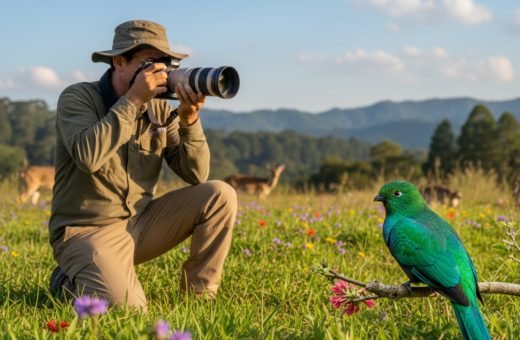
Shoot at the subject’s eye level to make a genuine connection. Placing the camera at eye level creates intimacy and lifts the photo above typical amateur work.
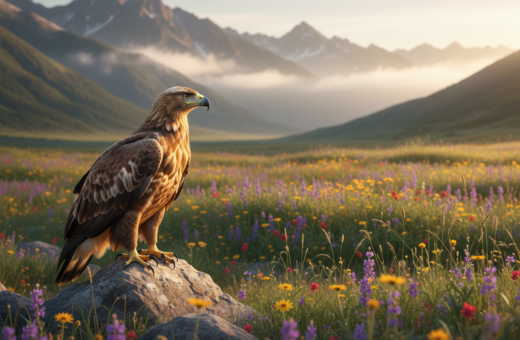
Consider the background carefully. A simple background keeps attention on the main subject and prevents an image from feeling cluttered.
Spend time in one place to learn the light and the animals’ movement. Observing their rhythms lets the photographer predict a meaningful shot rather than capture random photos.
- Plan compositions by watching how light shifts over time.
- Focus on the subject’s motion to craft a visual story.
- Anticipate moments—good photos come from readiness, not rush.
The Importance of Eye Level Perspectives
Lowering the camera to the animal’s level transforms a flat shot into a vivid encounter.
Getting down low lets the photographer enter the subject’s world. It simplifies the background and gives control over how light falls on the face of the animal.
Creating Intimacy with Your Subject
Shooting at eye level builds connection. The viewer feels present in the scene rather than looking down from afar.
He often lay on muddy banks to get this close. That small commitment removed awkward angles and made each image read clearer.
- Consistent eye level work draws viewers into the subject’s space.
- A low camera angle helps blur the background and focus attention on the main subject.
- Small position shifts can change a shot dramatically without extra gear.
- Stay safe: avoid risky climbs; the best eye level photos come from ground-level patience.
“When the lens meets the animal, the photograph becomes a moment shared,” he said.
Applying the Rule of Thirds and Golden Mean
Using classical ratios helps the eye land where you want it.
The rule of thirds divides the frame into nine parts and gives a simple way to place a subject for balance. Euclid first noted the golden mean around 300 B.C., and the 1 to 1.618 ratio still guides visual design today.
Defining the Focal Point
Place the eye of the animal or the main subject on an intersection point to create a clear focal spot. That small choice guides the viewer and reduces clutter.
Also leave space on the side the subject looks toward. That negative space gives the scene room to breathe and improves the field of view.
Knowing When to Break the Rules
The rule is a starting point, not a prison. A professional trusts vision and will bend the rule when a different framing makes a stronger image.
- Practice quick camera moves so placing the subject becomes intuitive.
- Consider the frame, the subject position, and the available space before deciding.
- Use the rule of thirds as guidance, then follow the moment.
“Trust the scene; rules exist to serve the photograph, not the other way around.”
Managing Negative Space to Reduce Clutter
Negative space gives an image room to breathe and clarifies what truly matters. In nature photography, open space around the subject prevents the frame from feeling crowded and helps the viewer find the main point quickly.
Mozart said music lives in the silence between notes. The same holds for photos: the gaps shape rhythm and add weight to the subject. Proper space defines positive areas and makes scenes read cleaner.
Photographers use empty areas to show scale. A lone animal set against wide space emphasizes habitat and mood. When several animals appear, managing the space between them stops forms from blending into a confusing shape.
- Use negative space to steer attention to the subject without a busy background.
- Let light fall across open areas to create mood and depth.
- Allow breathing room so the image feels balanced and intentional.
“The empty parts of an image are as important as the filled ones.”
Focusing on the Eyes for Emotional Connection
The eyes are the window to mood and intent in any animal portrait. When the eyes read clearly, the viewer feels the subject’s fear, calm, or curiosity. That bond is the fastest route to a lasting image.
Capturing Sharp Details for Impact
Human vision is drawn to eyes first. Use a single-point focus on the camera to lock onto the eye and keep it tack sharp, even with a wide aperture.
If the animal looks ninety degrees to one side, shift your focus plane so the eyes remain the sharpest part of the frame. For long snouts, stop down to f/11–f/13 to keep the face in focus.
- Sharp eyes make the subject feel present and real.
- Catch light in the eyes to add a natural sparkle and lift the image.
- If the eyes are not sharp, the entire photograph will likely fail to hold attention.
“When the eyes read true, the photo tells the story it was meant to tell.”
Position the camera and light so the eyes lead the composition. That small care transforms good photos into images that connect with the viewer long after they close the page.
Avoiding Distracting Tangents and Backgrounds
Small, stray shapes can steal a viewer’s attention before the subject even registers. He trains himself to scan the entire frame and remove anything that touches the subject oddly, like a blade of grass that appears to sprout from an animal’s head.
Identifying Unwanted Shapes
Look for lines that meet the subject. Tangents form when branches, rocks, or grass intersect the eye or head. Catching these before pressing the shutter keeps the image clean.
Managing Depth of Field
Use shallow depth of field to blur a busy background and isolate the subject. If blur is not possible, zoom tighter with the camera to crop out clutter and keep the viewer’s focus on the eyes and form.
Selecting Natural Settings
He follows Robert Bateman’s lead, seeking natural settings that support mood and place. A background with complementary light helps the scene, while harsh highlights can distract and pull attention away from the subject.
- Scan the frame before each shot.
- Adjust depth of field to separate foreground from background.
- Choose settings that enhance the subject, not compete with it.
“Practice makes spotting tangents second nature; then photos gain clarity and impact.”
Utilizing Unique Angles and Environmental Context
Changing vantage points reveals relationships between an animal and its home that a straight-on portrait usually hides.
He used angle and context to tell story-rich photos. In Nunavut, Canada, he photographed caribou so hooves and horizon appeared in the same frame. That front view showed motion and gave the image clear behavioral context.
By shifting the camera to a low side level, he exposed horn texture and fur patterns. A wide-angle lens then captured the tundra to add scale and space.
Including habitat in the frame helped viewers understand the life the animals led. When two subjects interacted, the scene felt dynamic and the composition read as a narrative.
- Use angle to reveal motion—hooves, stride, or wind-raked fur.
- Balance subject and background so the photo keeps focus and context.
- Change camera height to show eye level or the front of the scene for variety.
“A thoughtful angle lets the environment become a character in the image,” he said.
Conclusion
An impactful photograph is the sum of small, deliberate moves. He learned that mastery in wildlife photography is steady work: patient time in the field, steady camera choices, and clear focus on the subject.
Apply basic composition rules first, then learn when to bend them for a stronger shot. Keep the frame clean, give the subject space, and set the eyes as the key part of the image.
In the darkroom or editor, refine background clutter and depth so the photo tells one clear story. With practice, attention to detail, and a willingness to try new angles, photographers find their images become more powerful and honest.