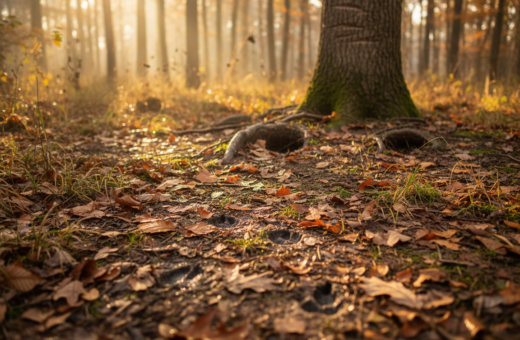
Understanding how shifting weather shapes field results is essential for any hunter who spends time in the early morning hours. Brad Kaufmann, a bowhunter from Northern Illinois, found this out the hard way when a 35-yard shot became a long recovery challenge.
He searched for three hours and watched two inches of snow build up, which reduced the chance of a clean recovery. That experience shows the real-world way wind, temperature and brief rain can change direction and scent in an area.
This short introduction explains why planning the right approach matters. A person who knows how weather and time of day affect movement gains an advantage on the site.
Key idea: small shifts in conditions can turn a simple task into a difficult thing when you are far from home. The following sections will unpack tactics that help a hunter stay effective in changing conditions.
Understanding Animal Behavior During Rainy Conditions
Dr. Grant Woods found that weather drives movement more than moon phase lore. Hunters who watch brief wet spells gain an edge by knowing how deer react to soft precipitation.
Research shows deer often increase travel during light rain, as muffled sound lets them cross open areas with less risk. Many deer remain active across several areas rather than hunkering down.
Movement patterns in light versus heavy rain
Light rain tends to promote daytime movement. The ground softens and fresh tracks become easier to spot.
- Light showers encourage quiet travel and feeding.
- Heavy storms suppress activity and push deer to sheltered cover.
- Hunters should plan short sits during light wet spells and avoid heavy weather.
Sensory awareness and environmental perception
Sound and scent behave differently in wet conditions. Rain muffles noise and can mask human presence, which deer use to move with confidence.
Good field practice includes checking soft ground for fresh tracks and adjusting strategy across multiple days to match changing conditions. For broader context on how animals respond, see this overview of wildlife in wet weather.
The Impact of Temperature Fluctuations on Scent
When the mercury shifts, the way scent layers form near the ground also changes, guiding deer decisions in the field.
Cool air tends to keep scent close to the soil. In those conditions a hunter’s scent will hug low paths and funnels.
Warm pockets lift odors and spread them faster. Knowing this helps readers predict how a deer will move through cover.
“Temperature controls the invisible map of scent that every animal reads with its nose.”
Hunters who watch temperature swings gain an edge. They can pick stands and plan approaches that reduce detection risk.
- Keep scent low by changing entry routes and timing sits.
- Use natural breaks in the wind and cooler periods to limit spread.
- Observe how deer react to shifts to refine future choices.
Maintaining a low scent profile is essential when deer are highly sensitive to small changes in their surroundings.
Preparing Your Gear for Wet Weather Hunting
A short prep routine can keep sensitive equipment working when weather turns wet. Being deliberate with protection makes the difference between a casual day and a failed recovery.
Waterproofing essentials for optics and weapons
Protect optics first. Apply lens covers, use silicone-treated caps, and carry a microfiber cloth for quick drying.
Keep firearms and bows safe. A light coat of corrosion inhibitor and a dry storage sleeve prevents rust and binding in wet conditions.
- Store batteries and electronics in sealed packs to avoid water damage to sensitive gear.
- Invest in high-quality rain shells and sealed cases so humidity and water don’t impede focus.
- Test equipment before a trip; reliable tools are the backbone of success when visibility drops.
“Weather can change quickly; small prep steps keep gear functional and hunters ready.”
Strategic Advantages of Hunting in Light Rain
Moist soil and steady mist can turn a routine sit into a high‑value opportunity for a prepared hunter.
Wet ground muffles footsteps and lets hunters move with less noise. That quieter approach increases the chance of closing distance to a wary buck.
Scent dispersal changes in light rain, often staying lower and clinging to foliage. This suppression helps hunters get closer without alerting nearby deer.
- Better tracks: Soft soil makes fresh tracks and trail sign much easier to spot and follow.
- Cover for approaches: Rain provides visual and auditory cover to approach bedding areas and funnels.
- Lower alertness: In steady drizzle, deer may move more freely and show less startle response.
Prepared hunters who read these conditions and use cautious tracking methods gain a real advantage. Small adjustments in route and timing often turn a tough sit into a successful encounter.
Best Practices for Animal Tracking After Rain
The best recoveries begin with a clear plan at the impact site and sensible patience. Marking that first spot creates a reference for direction and limits needless disturbance.
Marking the initial impact site
Create a visible marker. Use a bright flag, a small stick, or GPS to note the site. Record time and wind direction so the team has context.
Reading sign on wet ground
Moist soil makes blood and tracks stand out. Move slowly and scan low; the first few feet often show the clearest trail.
- Check vegetation for hair or torn leaves.
- Follow any slick or dark streaks of blood, even if faint.
- Look for disturbed debris in the likely direction of travel.
Waiting for the right moment to begin the search
If the shot was marginal, the wiser person may wait a short time. A brief pause lets a wounded animal bed and reduces the chance of pushing it farther.
“A careful, timed start preserves the trail and increases the odds of a clean recovery.”
When water flows heavy, act right away to protect scarce signs. Otherwise, use patience, method, and steady observation to follow the trail through thick cover.
Navigating Safety Hazards in Slippery Terrain
Moving through sodden timber requires steady footing and a deliberate pace to avoid falls. Hunters should pick boots with aggressive soles and tested traction for wet slopes.
Tree stands and ladders get slick fast. A quick wipe and a secure tether reduce risk when climbing or exiting a stand in poor weather.
Stay slow and steady. Quiet, cautious movement takes advantage of the reduced noise in light rain while keeping balance on wet leaves and roots.
- Wear boots with good grip and ankle support.
- Always clip to a safety line before moving on a stand.
- Test footholds and keep three points of contact on ladders.
Even mild conditions change footing and visibility. Remaining dry helps hunters stay alert all day and protects both the hunter and any deer encountered.
“Vigilance and proper gear turn risky weather into a manageable challenge.”
When to Call a Professional Tracking Dog
Knowing when to bring a scent-trained dog makes a big difference in recovery odds. A brief, informed decision can save hours and preserve a fragile trail.
John Engelken, a tracker with 30–40 years of experience, recommends calling a handler the moment a hunter suspects a problem. He notes that a trained bloodhound often reads a scent the human eye cannot.
Variables in scent retention and environmental factors
Wet ground, wind shifts and elapsed hours all change how a scent trail holds. If the blood trail is faint or direction is unclear, a dog and handler can find the right way through complex cover.
- Call right away: Early deployment increases the chance of recovery and keeps tracks intact.
- Expert nose: Dogs help follow faint blood and pick up trails across days and terrain.
- Costs and experience: Services range from about $200 to $2,000 depending on demand and the handler’s experience.
“Bring a pro when you suspect trouble; their work often finds what a solo search misses.”
Evaluating the Effectiveness of Blood Trails in Water
Picking a search plan at a wet impact site begins with a clear, calm assessment. A soaked scene changes how scent and blood show up. Hunters should weigh time, wind and terrain before moving.
Variables in scent retention and environmental factors
Experience matters. John Engelken keeps a roughly 50% success rate. He notes that this is strong given the difficult tracks he accepts.
Dogs often find what humans miss. Even after heavy downpours, a well-trained dog can follow a scent trail through water and across varied areas.
- Wind and temperature: shifts disperse scent and change how long a blood trail remains detectable.
- Water depth and flow: moving water can dilute surface signs, while shallow puddles may hold scent for days.
- Time elapsed: a skilled dog and handler improve odds when the human trail is faint.
“A dog’s nose often decides whether a recovery succeeds when environmental conditions hide sign.”
Professional trackers provide vital information to hunters. They explain why some trails clear easily and why others vanish. In many cases, dogs help bridge the gap when conditions make blood and tracks invisible to the human eye.
Adjusting Your Hunting Location Based on Weather
Changing weather pushes game toward cover and water, so location choices must change too.
Hunters should favor pockets of shelter where animals seek refuge during strong fronts. Stands near thick bedding, pinch points, and small water sources often concentrate movement under poor conditions.
Identifying a fresh trail close to a food source gives a clear advantage when creatures move to secure areas. A short climb to an edge or a shift to a new blind can intercept that route.
Mature bucks commonly alter routines in wet weather and will use different funnels. Be flexible and willing to move to nearby areas that offer cover and a view of likely approaches.
- Watch weather forecasts and set up where water and cover converge.
- Scan for fresh trail signs near food and bedding.
- Stay mobile: a quick relocation often yields better odds than staying put.
“Positioning in the right spot wins more days than luck alone.”
Managing Expectations for Successful Recovery
A clear mindset and realistic goals often decide whether a recovery ends in success or disappointment.
Hunters must accept that no recovery is guaranteed, even when the shot seems good. Wet weather and moving water can erase the faintest blood in a few hours.
The best time to begin a search is often the morning of the next day, when light gives a better view of the blood trail and the wind is steady.
Gathering information about the area and the deer’s likely direction improves the chance of a clean recovery. A person who notes cover, water, and recent travel patterns can narrow search areas fast.
- Plan the first steps: mark the impact, record time and wind.
- Move slowly and scan low for any blood stains or torn vegetation.
- Call a pro or a dog if the trail fades and hours turn into days.
“Even with help, some deer will not be found; realism is part of the work.”
Conclusion
A concise plan and steady judgment turned uncertain weather into actionable choices in the field.
Successful hunting required the right gear, calm patience, and an eye for how conditions changed on short notice.
Hunters who prepared for wet days improved their chance of a clean recovery and reduced needless risk.
Prioritizing safety and ethical methods created a clear way to handle difficult moments and respect the effort involved.
Take time to learn from each outing. Over years, that practice made a person more effective and adaptable when the skies shifted.