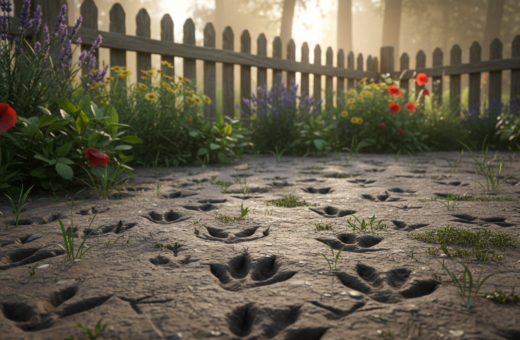
Garden visitors often go unseen, but their marks on soft ground tell a clear story. Early morning light or late-day shadows make each print stand out in mud or snow. A careful observer can learn a lot from size, shape, and depth.
Signs such as scat, torn grass, or a line of paw pads offer clues about timing and diet. He or she should scan outward in a circular pattern if a trail fades. That wider view often reveals the next set of prints.
Experts note that toes, claws, and the front versus hind impressions help separate deer, dog, rabbit, and bird visitors. Studying these small differences builds better tracking skills and respect for local wildlife.
Safety matters. Carry a map, compass, or GPS and tell someone the estimated return time. With patience and these core tips, anyone can learn the quiet language left on the ground and enjoy tracking as a safe, rewarding part of outdoor nature study.
Essential Tools for Animal Tracks Identification
Collecting clean, useful impressions depends on careful gear choices and a tidy site. This short checklist covers what he or she needs in the field and how to prepare a patch of ground for clear prints.
Field Gear
- Notebook and camera to record sketch, size, and orientation of each print.
- A 2.5-inch by 12–15-inch strip of waxed cardboard to form a collar that holds plaster of Paris for casting.
- Two tin cans and a mixing stick: one can for water, one for mixing so plaster reaches the consistency of pancake batter.
- Measuring tape and a small ruler to note toe spacing, pad length, and front versus hind impressions.
Environmental Preparation
Sweep the chosen area with a tree branch to remove debris. A smooth surface yields sharper prints and clearer pads or claw marks.
In snow: stir some snow into the plaster mix to keep it cool and avoid melting the impression.
“Keep tools simple, document everything, and treat each print as a lesson in local behavior.”
For more hands-on guidance consult the animal tracks identification guide before heading out.
Understanding Gait and Walking Patterns
The way feet fall across mud or snow tells a story about speed, intent, and balance.
Perfect walkers like deer, moose, fox, coyote, and bobcat place a rear foot where a front foot just landed. This saves energy and creates a neat zig-zag line of prints in soft ground.
Waddlers—bears, skunks, and raccoons—move one side at a time. Their pattern shows four distinct impressions side by side and a wider straddle.
Bounders such as otters and weasels leap. The rear feet land in the same spot as the front feet, so a cluster of pad and toe marks appears together.
Hoppers like rabbits and mice place hind feet ahead of front feet. This creates paired impressions that look like a forward jump.
“By noting stride, straddle, and the order of toes and pads, a tracker can match a track pattern to a likely visitor.”
- Stride: distance between successive prints.
- Straddle: width across the line of prints.
- Toe marks: reveal direction and whether claws show.
Analyzing Track Characteristics in Mud and Snow
Careful measurement of marks in mud or snow reveals key clues about the animal that passed through. Observers should work methodically, noting the substrate and exact placement of each impression before it degrades.
Width and Length
Measure width and length of a print to separate similar species. A fox and a young wolf can overlap in size, so precise numbers matter.
Record front and rear feet when possible to compare proportions and spot webbing or pad shape.
Toe Count
The number of toes is a primary identifier: bears show five toes while canines and felines normally show four.
Check the side of the pad for claw marks; canine prints often reveal claws, while feline prints usually do not because claws retract.
Depth and Substrate
Depth gives a sense of weight, but always factor in ground conditions. Wet mud or melting snow can make a light animal leave a deep impression.
“Depth and substrate together tell as much about time and weather as they do about the creature itself.”
- Measure the stride and the width of the line to estimate gait and speed.
- Note claw marks and pad outline to distinguish paws from hooves.
- Document location, time, and nearby signs like scat or torn vegetation for context.
Identifying Canine and Feline Visitors
Oval impressions with forward-facing claw marks point one way; round pads without claws point another.
Canine prints are typically oval and show four toes plus a concave heel pad. Claw marks usually point forward and are visible in mud or snow. The center of the print often allows an “X” to be sketched through the toes and pad.
Feline prints appear rounder and usually lack visible claw marks because cats retract their claws. The heel pad of a cat shows three lobes, creating an “M”-like shape at the bottom of the print.
Size helps too. Wolf prints can reach about 4 inches long and tend to follow a straight line. Fox prints are much smaller and may look fuzzy. Cougars leave large, round prints over 3 inches, while bobcat prints are smaller and compact.
“When in doubt, note pad shape, claw presence, and the line of travel to separate doglike from catlike visitors.”
- Look for claw marks to favor a canine ID.
- Round pads and no claws point to cats.
- Compare size to rule out wolves, foxes, or large cats.
Distinguishing Large Hoofed Mammals
Hoof shape, width, and the presence of dew claws give reliable clues about which big ungulate passed by.
Deer versus Elk
Deer usually leave a tapered, heart-shaped print. The front of the print narrows to a point and the size is smaller than elk.
Elk are rounder and larger than deer, typically 3 to 5 inches across. Their marks look more circular and less tapered.
Moose, Bison, and Sheep
Moose produce the largest prints, often 5 to 7 inches and heart-shaped. In deep snow the heavy weight may show dew toes behind the main hooves.
Bison leave wide, round prints about 4.5 to 6 inches long. These do not taper to a point like deer prints.
Bighorn sheep show blocky hooves with straighter edges rather than a heart shape.
- Compare size and shape first.
- Note dew toes or extra toe impressions in soft snow.
- Match habitat and droppings to support the track ID.
“Size and edge shape are the quickest clues to separate deer, elk, moose, bison, and sheep.”
Recognizing Small Mammal and Rodent Prints
Tiny footprints tell a clear story: toe count, spacing, and gait expose who passed through at night. He or she should scan for clusters, single lines, or paired impressions to separate rodents from small mammals.
Key field cues:
- Raccoon prints show five toes that resemble a small hand. Front prints range about 1–3 inches; rear prints can reach 1.5–4 inches and often sit near water.
- Opossum marks are unique because the hind foot displays an opposable thumb, a clear sign no other North American species shows.
- Squirrels move by hopping, leaving a repeating set of four prints. The larger hind feet land ahead of the smaller front paws, creating a paired pattern.
- Porcupines appear pigeon-toed and can carve deep troughs in snow. Their pads look coarse and often show a low, meandering line.
- Rabbits leave a distinctive “Y” or T-shaped arrangement: two large hind prints ahead of the smaller front feet.
“Count toes, note the spacing, and match front versus rear impressions for the quickest ID.”
By measuring size and noting the position of front and hind prints, he or she can rule out larger species like deer and focus on the small visitors that frequent gardens.
Interpreting Bird and Reptile Activity
Patterns of alternating prints, hops, or a centerline drag reveal whether a bird hopped, a frog leaped, or a reptile crawled. Crow prints show three thin forward-facing toes and one rear toe and run about 2 to 2.5 inches in length. A turkey print is much larger—near 4 inches—and often appears in open, ground-dwelling habitats.
Reptile marks differ. Alligator impressions include a central tail trough and five toes on the front feet with four on the rear. Frog prints are unique: four bulbous toes in front and five behind, often left in a “K” shape after a hop in mud or snow.
- Toe arrangement: ground birds leave alternating prints; tree birds leave clustered marks.
- Size and spacing: measure length to separate crow versus turkey or a small frog.
- Centerline clues: a tail drag or side line shows a reptile’s passage.
“Note toe count, print spacing, and any drag line to tell if a visitor walked, hopped, or crawled.”
Tips for Tracking in Challenging Conditions
Extreme surfaces like deep snow or drifting sand call for careful handling to preserve every toe and claw impression.
In dry, dusty ground or loose sand, pour the plaster mix as close to the track as possible. A low, steady pour reduces collapse and keeps fine ridge detail in the prints.
In snow, stir fresh snow into the plaster mixture to keep it cool. This prevents the cast from melting the bottom of the print and blurring claw marks or the arrangement of toes.
When a print sits in firm mud, it may be possible to cut a neat rectangle around the mark and lift it whole. He or she should test the soil edge gently so the block holds together before prying.
- Pour from low height to avoid damaging delicate toes or paw edges.
- Carry a map, compass, or GPS and tell someone your route before tracking.
- Work quickly, document each cast, and note nearby signs such as hooves or five toes that confirm species.
“By adapting technique to snow, sand, or mud and keeping safety first, trackers can preserve clear, useful casts even in tough conditions.”
Preserving Your Findings with Plaster Casts
Turning a fresh impression into a cast preserves the print before weather or time erases it.
Creating a Negative Mold
Place a 2.5-inch cardboard collar around the print to form a shallow well.
Mix plaster of Paris to the consistency of pancake batter and pour gently into the collar. Let it set for about ten minutes until firm. After lifting, allow the negative to cure for at least a day.
Making a Positive Replica
Coat the negative with a thin film of petroleum jelly or vegetable shortening.
Press the negative into fresh plaster or pour a new layer to form a positive replica. This step reveals detail such as claw impressions, toe spacing, and the exact width and size of the feet.
- Where to buy: hardware, drug, or hobby stores carry Plaster of Paris.
- Why it helps: casts create a permanent record of the prints found in mud or snow and allow careful study later.
- Handle carefully: avoid pressing on side or rear details until fully cured to protect fine ridges and toes.
“Well-made casts become lasting teaching tools and clear keepsakes of a garden discovery.”
Conclusion
Reading small depressions in mud or snow can turn an ordinary walk into a lesson about backyard visitors.
Mastering simple clues — toes, pad shape, and stride — helps a tracker tell a print’s story. With practice he or she will separate common guests such as deer, a roaming dog, or local cats by size and shape.
Whether studying prints in snow or soft soil, patience and repeat observation are the most valuable tools. For a practical next step, consult the getting-started guide to build skills and confidence.
Small, steady efforts bring a closer bond with nature and the many animals that leave quiet signs in the yard.