Urban green areas act as vital corridors where many birds move through human landscapes. These pockets of green offer food, shelter, and rest for species that face the city’s concrete environment.
People who visit local parks often enjoy spotting common birds like the northern cardinal and the striking blue jay. Identifying these visitors can become a rewarding habit and a way to connect with nature in the United States.
The European Starling was introduced to Central Park in 1890 by Eugene Schieffelin, a notable historical detail that shows how human actions shape which winged creatures appear in cities today.
Curious facts add texture: the ruby-throated hummingbird beats its wings about 53 times per second in a figure-eight pattern. Observing blue jays reveals social behavior and intelligence, and monitoring arrival times helps locals support local wildlife.
Understanding one bird’s movements can guide small habitat choices that benefit many birds across urban neighborhoods.
Understanding Seasonal Backyard Birds in Urban Environments
Noticing daily feeder patterns helps people learn which visitors are likely to return each season. Focusing on a short list of common species makes identification easier for anyone watching a yard.
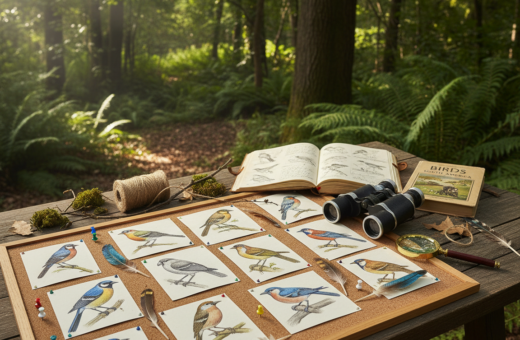
Practical tips include using a reliable field guide to separate similar-looking birds, like the house finch, from other small visitors at feeders. A clear guide also helps track when each species appears during the year.
“The bread-and-butter of the bird feast in our yards,”
Offering high-quality seeds, especially sunflower chips, draws a wider mix of finches and sparrows. Keeping feeders clean and varied encourages steady visits and supports local wildlife health.
- Limit the species list to those seen most often to build ID skills.
- Rotate seed types to learn preferences and attract more visitors.
- Use a guide and log sightings to map changes over time.
For practical habitat advice, consult a regional resource on managing urban habitats. Small, consistent actions help a yard become a welcoming spot for common birds like the house finch.
Spring Arrivals and the Return of Song
Spring brings a rush of returning migrants that fill urban green spaces with lively calls and activity.
The Return of Migratory Songbirds
Many birds return to local parks to breed. Male ruby-throated hummingbirds often arrive first to claim territories before females follow.
Song fills the canopy as species such as the northern cardinal and the blue jay begin territorial displays. A high-quality photo can help observers use a digital guide to confirm arrivals.
Nesting Behaviors in Urban Trees
Males usually secure the best habitat in mature trees, then advertise with song and plumage to attract mates.
Woodpeckers become active in spring, probing bark for insects and preparing cavities. These behaviors show how trees support nesting and food needs in city areas.
“Observing spring arrivals helps researchers track migration timing and climate impacts.”
- Male arrival often precedes females for territory claims.
- The northern cardinal is a popular state bird and easy to spot in spring.
- Use photos and a regional guide to document spring species reliably.
Summer Breeding and Nectar Seekers
Midyear shifts focus to nesting and constant foraging. Urban green sites become vital as many small species hunt nectar and insects to fuel growth.
Ruby-throated Hummingbirds and Nectar Sources
The ruby-throated hummingbird is a standout summer visitor. Males display an iridescent red throat, which gives the species its name.
These tiny birds can cross the Gulf of Mexico in a single 500-mile flight. They beat their wings about 53 times per second to hover near flowers and a feeder.
- During summer this hummingbird is the primary breeding bird of its type in many Midwestern areas and depends on nectar and sugar water.
- Males often depart as early as August; females remain to raise the young and feed chicks protein-rich insects.
- Planting native flowers and sunflowers or offering a specialized hummingbird feeder supports these agile visitors year-round.
“A clear photo of a hummingbird in flight shows how fast their wings beat and how precise their feeding maneuvers are.”
Providing diverse food sources draws more species and helps urban habitats sustain breeding activity through summer and into fall.
Fall Migration and Changing Foraging Habits
As leaves thin and daylight shortens, urban flocks change how they search for food. Many species switch from hunting insects to eating seeds and berries to build fat for winter.
American Robins often form large, roaming groups that feed on berries after spring nesting ends. Observers will notice woodpeckers working trunks more visibly in city habitat.
“The fall period shows clear shifts in diet and behavior as birds prepare for migration.”
- Blue jays and the northern cardinal commonly cache food for colder months.
- Mourning doves forage on the ground for fallen seeds, while robins target fruiting trees.
- A crisp photo can capture changing plumage and quieter songs that replace spring calls.
Providing varied feeders and native fruiting plants helps sustain these migrants and resident bird populations during this busy transition.
Winter Survival and the Arrival of Irruptive Species
Winter transforms local habitat use, as many birds depend on high-energy food and sheltered perches to survive.
Cold months make reliable feeders vital. Natural insects and seeds become scarce, so consistent food helps resident and visiting species through harsh weather.
The Role of Suet Feeders
Suet provides dense fat that fuels body heat. During the winter, many species rely on suet feeders to maintain energy reserves.
Woodpeckers are frequent visitors. Downy Woodpeckers, for example, have a reinforced skull that cushions hammering as they extract suet.
Identifying Winter Sparrows
Winter sparrows like the house finch and dark-eyed junco often forage on the ground near feeders. The junco is nicknamed the snowbird because it appears when temperatures fall.
A high-quality photo helps tell subtle feather and head color differences, aiding reliable identification.
Irruptive Species Patterns
Some irruptive finches and other species appear in towns unpredictably when their food supply fails elsewhere. They may travel great distances in search of sunflower seeds and other grains.
“Providing consistent food in winter is essential for the survival of many species.”
- Suet supports woodpeckers and early-arriving migrants.
- Ground-foraging juncos and mourning doves change where they feed in winter.
- Reliable feeders reduce stress on local populations during cold snaps.
Essential Feeder Strategies for Year-Round Success
Small changes to feeder care can produce big gains in bird health and attendance. Regular maintenance keeps feeders safe and attractive to local visitors.
Cleanliness is the top priority. Wash feeder parts often, remove moldy seeds, and dry surfaces before refilling.
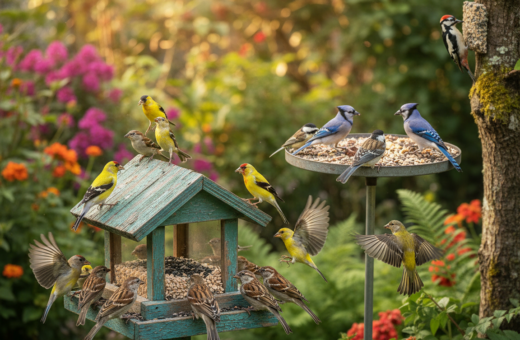
Offer a mix of seeds—sunflower and Nyjer work well—to draw a wider range of birds. American Goldfinches often prefer Nyjer in tube feeders.
- Use suet feeders to attract woodpeckers and insect-eating species during colder months.
- Place a feeder in a quiet part of the backyard to reduce predator risk and encourage repeat visits.
- Provide fresh water and a stable food supply so many birds will return year after year.
- Take a clear photo at the feeder to track which species visit across spring, fall, and winter.
“A consistent feeding routine supports healthier populations and better urban wildlife connections.”
Identifying Common Species by Habitat and Behavior
Observing where a bird forages—on the ground, in trees, or at feeders—gives fast identification clues.
Many species show habitat preferences. The northern cardinal and blue jay stand out by color and by unique patterns on their wings and back. A clear photo of the head or tail often confirms the name.
Woodpeckers belong to a clever family. They use a stiff tail to brace on trunks while probing for insects.
Mourning doves are easy to spot by song and wing spots. Parents feed chicks a rich “pigeon milk,” a surprising note about their care.
The dark-eyed junco is a familiar winter visitor that feeds on the ground. The house finch shows clear differences between males and females, aiding field ID.
- Watch feeding spots: ground, canopy, or feeder.
- Note tail shape and wing patterns for quick matches.
- Use suet and seeds to attract a wider range of species for study.
Conclusion
Small actions change how many winged visitors thrive near homes and parks. Providing consistent food and habitat supports a wide variety of birds through the year.
Observing feeding habits and nest behavior helps anyone learn more about each bird’s needs. Careful watching deepens connection to local wildlife and makes identification easier.
Whether a beginner or an experienced observer, one can always learn more. The guide aims to inspire closer attention to the birds that share community green spaces and to encourage steady, simple support for their survival.