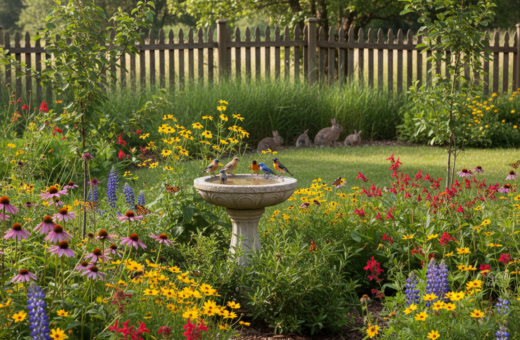
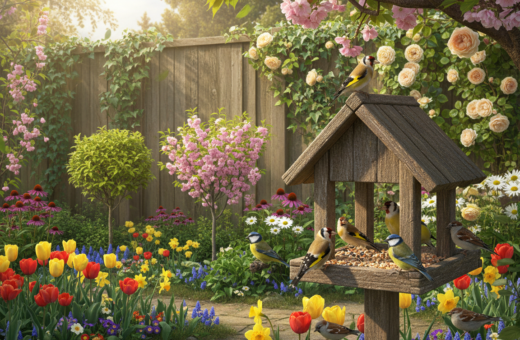
Water changes how a yard functions. A steady water feature draws attention and supports daily life for nearby wildlife.
Photographers like Bob Gunderson and Eric Gofreed captured species such as Allen’s Hummingbird and Mountain and Western Bluebirds visiting backyard sources. Their images show how crucial fresh water is to local populations.
Providing a reliable water source is a proven way to attract animals that skip traditional seed feeders. A well-placed birdbath in a garden creates a central hub for water birds and other visitors.
Many species rely on steady hydration to stay active during the day. Installing a simple bath transforms a garden into a sanctuary that supports feeding, grooming, and survival needs.
Understanding the Primary Bird Bath Benefits
Simple basins can shift local animals’ daily routes and bring more activity to a garden. Programs like the Habitat Network and the National Wildlife Federation highlight how offering reliable water supports wildlife habitat goals.
One key advantage is that a well-placed bird bath benefits homeowners by helping to attract birds that would otherwise pass through. Clean, shallow water encourages drinking and quick grooming visits.
Experts with the National Wildlife Federation state that birdbaths belong in any wildlife-friendly plan. Following practical tips boosts success and increases variety at any given time.
- Place multiple birdbaths to raise the number of species seen at once.
- Keep water clean and change it often so birds return regularly.
- Use varied depths to welcome more types of visitors.
Maintaining fresh water makes the outdoor space a reliable destination and supports daily activity for neighborhood wildlife.
Selecting the Ideal Basin for Your Garden
The material and shape of a basin determine how often it will be used and how it ages in a garden. Hard materials like concrete and metal last longer and resist tipping. Lightweight ceramics look good but can crack in cold weather.
Material Considerations
Concrete offers durability and can become a lasting focal point. For a ready-made option, a concrete birdbath from Pottery Barn provides a classic look that weathers well over time. Metal and ceramic pieces give more style choices at local garden centers for around $50.
Size and Depth Requirements
Choose a shallow basin with a gentle slope so visitors can wade in. Edges no deeper than about 1 inch are ideal. Steep-sided bowls deter use, while varied depths invite more species to drink and bathe.
Adding a small fountain creates the soothing sound of trickling water, which draws many feathered friends and helps keep water moving and fresh.
Strategic Placement for Maximum Bird Activity
Thoughtful location makes a big difference in how often water attracts wildlife. Placing a basin where visitors feel safe and have easy access encourages frequent stops for drinking and grooming.
Creating a Secure Environment
Place the bird bath at ground level to mimic natural puddles. Ground placement helps small species feel comfortable and makes the site easier to use.
Keep open ground between the basin and dense shrubs so predators cannot hide nearby. This clear zone lets visitors spot danger early and return more often.
In hot summer weather, position baths in partial shade to slow evaporation and keep the water cool. Cooler water attracts more wildlife during peak heat.
- Follow these tips to make sure the area feels secure and usable.
- If a household cat is present, keep it indoors to protect visiting birds and preserve daily activity in the yard.
- For additional placement guidance, consult this short guide on attracting wildlife to bird baths.
Incorporating Moving Water to Attract Wildlife
Moving water creates visual and acoustic cues that prompt more frequent visits to a garden oasis.
Many birds respond to the sight and sound of flowing water, so adding a small fountain or dripper is an effective way to attract birds to a backyard. A solar-powered fountain or a modest pond draws species that prefer active, flowing sources.
A simple DIY option works well: hang a container with a tiny pinhole above a birdbath to produce a steady drip. The slow fall of drops keeps water moving and helps replenish the bowl.
- Drippers and small fountains create ripples that seem to signal freshness.
- They support both water birds and songbirds by providing drinking and bathing spots.
- Placing a fountain near plants offers perches and safe access.
Installing moving water is a low-cost way to enhance a water feature and increase daily activity in a garden.
Maintaining Sanitary Conditions for Feathered Friends
Keeping water clean matters. A simple routine protects wildlife and keeps a garden focal point active. James Stewart and Jo Anne Doyle documented species such as the Tufted Titmouse visiting clean, well-maintained bird bath setups. Regular care reduces disease risk and supports preening needs after baths.
Routine Cleaning Schedules
Change the water every day or two to stop germs and slow algae growth. Weekly scrubbing with a mild cleaning mixture helps keep the bowl pristine.
Make sure to rinse surfaces thoroughly so no soap remains.
Preventing Algae Growth
Keep the basin in partial shade during summer to limit algae bloom. A small fountain or dripper also reduces surface film by moving water.
“Fresh, flowing water invites more visits and stays healthier longer.”
Managing Mosquito Larvae
Scrub edges and shallow spots to remove larvae and eggs. This step is key to controlling pests that can carry West Nile virus.
- Change standing water often.
- Use coarse brushes to clean crevices in the bowl.
- Provide nearby perches and food so visiting birds feel safe.
Adapting Your Water Feature for Seasonal Changes
Changing weather calls for small updates to a water source so it stays safe and usable through winter and summer. Simple modifications help maintain regular visits from local birds and support daily activity in the garden.
In winter, a thermostatically controlled heater keeps the basin ice-free and accessible. Arrange stones in the water so birds can stand and drink without soaking their feathers or getting chilled.
On the hottest days, add a block of ice to cool the water and offer a brief, refreshing treat. These small touches can increase daytime visits and reduce stress for wild visitors.
Make sure never to add antifreeze or glycerin. These substances are toxic and will harm feathers and insulation.
“Providing an open, clean source of water supports wildlife year-round and complements other habitat efforts.”
- Use gentle heaters in winter to keep ground-level access open.
- Place flat stones for perches and safety.
- Refresh water often during warm spells.
Conclusion
A thoughtfully placed water source is an easy way to attract birds and increase wildlife activity in a residential garden all year.
Whether choosing a simple basin, a small pond, or a decorative fountain, the sound of moving water draws more visitors and encourages regular stops during the day.
Follow basic tips for upkeep and winter care to keep water clean and accessible. Regular maintenance of birdbaths and moving water systems protects health and boosts use over time.
With the right setup near feeders and food areas, a water feature becomes a reliable place to enjoy more wildlife and a lot more daily activity in the yard.