Understanding how weather shapes local movement helps homeowners support wildlife. This article summarizes research such as Wilson et al. (2004) and explains what people may notice around their yards. It highlights how changing conditions alter travel, shelter use, and foraging in neighborhood areas.
When wet periods last, animals must guard delicate feathers and find dry shelter. They balance the need to stay dry against the constant demand for food and body heat. Observers often see birds modify routes and timing on rainy days to conserve energy.
This section previews core ideas: how water and weather affect daily routines, how energy needs shift, and why small changes in movement matter around homes. Readers will be better prepared to notice and support local wildlife after reading this article.
Understanding Bird Behavior in Rain and Weather Adaptations
Wet conditions prompt rapid physiological shifts that help small species conserve heat. Wilson et al. (2004) found that kestrels raise metabolic rates when exposed to artificial wetting to offset loss of insulating air in soaked feathers.
Physiological responses to moisture
Feathers lose trapped air when wet, reducing insulation and forcing animals to use more energy to stay warm. Many species coat plumage with oil to shed water during light showers. When shelter is scarce, individuals tuck heads and fluff contours to conserve body energy.
The impact of size on heat retention
Smaller creatures face higher heat loss because their surface-area-to-volume ratio is greater. They often retreat to shrubs, tree cavities, or dense nest cover. People commonly observe individuals perched under canopy where the overhead cover takes advantage of the microclimate to keep the body drier.
- Wilson et al. (2004): increased metabolism under wetting.
- Hume (1986): some species spread wings during heavy rain to rain-bathe.
- Oil glands and posture are key short-term defenses against water and heat loss.
How Birds Find Shelter During Storms
Many species detect drops in air pressure and change their routes before a storm arrives. This early cue helps them locate nearby cover and reduce exposure to strong wind and wet weather.
Utilizing natural microhabitats
Dense shrubs and thickets serve as first-choice refuge. Kenn and Kimberly Kaufman note that pressure shifts often prompt birds to seek shelter in these spots.
Small birds use ground cover, the lee side of trees, or tight foliage to block gusts. Cavity nesters tuck into tree holes or nest boxes to avoid the worst storms.
- During long storms that last for days, individuals must leave shelter to find food, even if feathers get wet.
- Shelter near the ground often offers slightly warmer air, which helps conserve energy.
- Providing dense cover aids smaller birds and helps them maintain energy during harsh weather.
Signs of seeking shelter include sudden quiet, clustered perching, and retreating to thicker cover. For guidance on protecting local wildlife during extreme weather, see advice for homeowners.
Managing Residential Landscapes for Wildlife Protection
Landscape choices can create safe corridors and refuges that local wildlife rely on during bad weather.
Creating dense shrub corridors
Plant tight rows of native shrubs and small trees to link cover across the yard. These green corridors help smaller birds move from feeder to nest while they take shelter during a storm.
Preserving dead trees for cavity nesters
Leave snags standing when it is safe. Dead trees provide cavities and holes that many species use to nest and to seek shelter from wind and water.
“A single snag can support nesting and roosting needs for years.”
Building brush piles for refuge
Layer branches and leaf litter on the ground to mimic natural debris. Brush piles offer immediate cover where wildlife congregate and take advantage of shelter when conditions worsen.
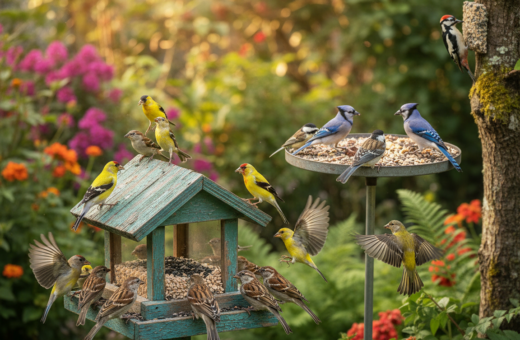
- Place feeders near thick cover so birds can access food and return to safety quickly.
- Use dense plantings to help smaller birds retain heat on cold, wet days.
- Maintain several small refuges rather than one large patch to spread protection across the yard.
The Role of Supplemental Feeding During Heavy Rain
A reliable feeder can mean the difference between survival and exhaustion for small local species on wet days.
Supplemental food like suet and high-fat seeds supplies the extra energy needed when worms and insects are inaccessible. During heavy storms, natural foraging drops and feeders act as a steady source for hungry animals.
Parents with a nest nearby rely on this support during long, wet days. Providing easy access helps them feed young without risking long trips through exposed areas.
Place feeders near cover so animals can reach shelter quickly. When forced to leave safety to search for food, they become more vulnerable to predators.
Protect feeders from water. Use models with drainage holes or protective tops so seeds and suet stay dry. Dry food keeps feathers and body temperature stable and reduces wasted effort.
“Well-placed, weatherproof feeders are a practical way homeowners can help local wildlife through prolonged storms.”
- Offer high-calorie options like suet or fat-packed seeds.
- Keep feeders close to dense cover or shrubs for quick escape.
- Choose designs with drainage and sheltering tops to keep food usable during heavy rain.
Observing Bird Movement Patterns in Your Backyard
Watching yard movement reveals how local species shift routes when wet weather approaches.
Look for early signs of sheltering: many birds head toward dense shrubs and trees as a storm draws near. These spots offer quick cover and warmth for nests and roosts.
After a shower, people often see foraging at the ground level. Moist soil brings worms and other food to the surface, so animals adjust timing to take advantage of that source.
Keep feeders close to cover. Predators watch for individuals distracted by foraging, so feeders near thick shrubs let birds reach safety fast.
“The curious ant rain shows how activity in trees can create a falling stream of insects below.”
- Track which areas attract the most traffic during heavy rain.
- Note where feathers look ruffled or wet—those are spots lacking good cover.
- Record signs of regular nest use and the routes birds take to reach it.
By observing movement patterns, homeowners can improve landscape cover and protect local wildlife through future storms.
Conclusion
Simple yard observations show how wet conditions reshape travel paths and energy use among local species.
Understanding how birds adapt to rain helps homeowners create better cover and food sources. Providing safe shelter and high‑energy feed lets animals stay warm and keep energy reserves during storms.
The article highlighted the role of feathers, oil, and microhabitat shelter in managing body heat and water exposure. Small changes to plantings and feeder placement make a clear difference.
Watch your yard, support nearby cover, and enjoy the chance to see birds throughout changing weather.