Transforming a backyard into a welcoming space can support local wildlife while staying low-effort. With 87% of UK households owning some form of garden, these areas add up to a vast network of habitat that helps counter dramatic population declines reported by WWF.
Simple choices in plants, food and water provide real benefits for birds and insects. Small changes give species room to thrive without complex care routines. This approach lets people enjoy nature and keep their outdoor space neat.
Below, the guide lays out practical tips for designing a manageable plot. It focuses on easy plantings, steady water sources, and ways to attract local wildlife. The goal is clear: create healthy gardens that help wildlife and fit modern gardening schedules.
Planning Your Wildlife Friendly Garden
Start with a scaled drawing of your plot to place trees, shrubs, and water features where they will do the most good. A clear plan helps maximize habitat value while keeping maintenance low.
Assessing Your Space
Measure the area and note sun, shade, and soil type. Mark permanent elements like fences, paths, and utilities so plants and a pond avoid conflicts.
Sketch where trees and shrubs will grow and where long grass or a pond could fit. This makes it easier to plan how each area will be maintained over time.
Designing for Biodiversity
Create several small zones that offer shelter, food, and water. Diverse areas attract birds, bees, butterflies, and other animals across the year.
- Plant nectar-rich flowers that bloom at different times to support bees and butterflies.
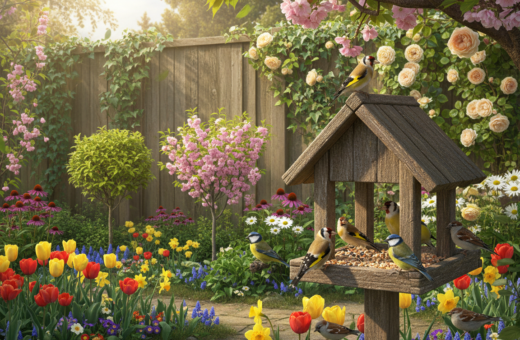
- Install feeders and seed sources to help birds through winter.
- Reserve a corner for long grass or a shallow pond to bring insects and amphibians.
Observe and adapt—monitor which species use each place and adjust plantings or feeders as seasons change. This ensures the habitat remains welcoming all year.
Selecting Low-Maintenance Native Plants
Choose native species that match your soil and light to cut time spent on upkeep. This simple step keeps the planting area healthy and reduces the need for fertilizers or frequent watering.
Native plants support local insects and birds. Many insects evolved alongside specific flora, so including species such as buckthorn matters. Brimstone butterflies, for example, will only feed and lay eggs on buckthorn bushes.
Plant trees, shrubs, and bare-root herbaceous varieties between November and March. That timing helps roots establish quickly and lowers maintenance over the following year.
Prepare the ground by loosening compacted soil and removing persistent weeds before planting. Whether starting from seed or established shrubs, choosing the right plant for the right spot is the best route to a resilient, low-effort plot.
- Match plant choice to soil type and sun exposure.
- Include sources of food and water for birds and bees across seasons.
- Reserve small patches of ground for less-manicured plants to attract insects.
Creating Essential Habitats for Local Species
Small built elements can turn ordinary outdoor space into vital habitat for birds, insects, and small mammals. These additions are simple to fit into a garden and need little upkeep. They help plants and trees support more species year round.
Building Log Piles
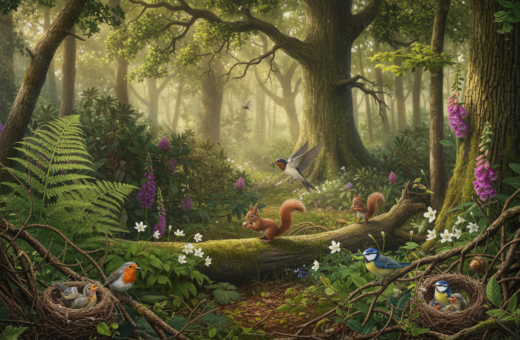
Log piles provide shelter and food for insects and small animals, especially in winter. Place timber off the ground in a shaded corner and leave some bark intact.
This creates a long-lasting shelter area that also supports fungi and soil health.
Installing Bird Boxes and Swift Bricks
Install a bird box or a swift brick on a high wall or tree trunk to give birds a safe place to nest. Use species-appropriate box sizes and position them away from predators.
Swift bricks fit into walls and are ideal where space is tight. Provide nearby trees or shrubs for perching and feeders for extra food in winter.
Providing Hedgehog Access
Make 20 x 20cm holes in fences or walls to allow hedgehogs to roam between areas for food and mates. These simple gaps connect habitat patches and reduce road crossings.
Also, if adding a pond, make sure sides slope so frogs and small mammals can enter and exit safely.
- Mix trees, shrubs, log piles, and boxes to create varied habitat sources.
- Focus on low-effort features that deliver long-term shelter and nesting space.
- Monitor use and adapt placements to suit local species.
Managing Water Sources for Biodiversity
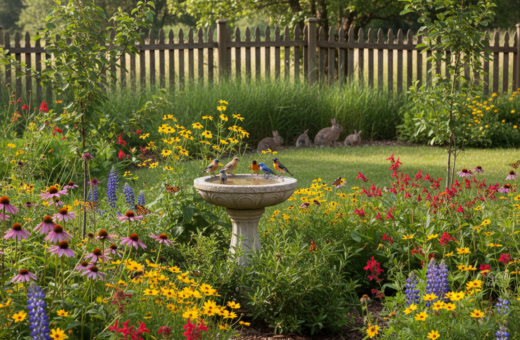
Water features transform small yards into vital hubs for amphibians, birds, and insects. A compact pond or a shallow dish gives animals a reliable source of drinking and bathing water through the hotter months.
Keep designs simple and safe. Make pond edges gently sloping so frogs, toads, and small mammals can enter and leave easily. Place a shallow, sloping-sided dish in the open where birds can see predators approach and refill it frequently to keep the water fresh.
Maintain routine checks to remove debris and top up levels during dry spells. A well-kept pond becomes a magnet for insects that feed fish, amphibians, and nearby birds.
- Use varied sources — a small pond plus a bird bath increases the number of species visiting the space.
- Position features near plants and flowers so birds and insects find food and shelter nearby.
- Keep maintenance low: clear leaves seasonally and top up water in summer to support all visitors.
For practical tips on keeping water available through heatwaves, see guidance on providing water for wildlife in your. These simple steps bring more life to a plot with little extra work.
Implementing Sustainable Soil and Leaf Care
Healthy soil and tidy leaf cover are the quiet engines that keep a backyard ecosystem working year-round.
The benefits of composting are both practical and ecological. A small compost heap turns kitchen waste and fallen leaves into rich humus. Worms and other minibeasts break down material, improving soil drainage and lifting nutrients to the surface.
The practical gains
Compost feeds plants, reduces the need for bought fertilizers, and helps seedlings and established shrubs thrive through the year.
- Create a simple bin to recycle vegetable scraps and dry leaves; this also provides a haven for useful insects.
- Leave some leaf litter on the ground during winter to give shelter for hedgehogs and cover for frogs and toads.
- As leaves decay they enrich soil, supporting more robust plants, flowers, and trees in the coming seasons.
By keeping composting and leaf care low-effort, the area becomes more resilient. These steps save time and support birds, bees, butterflies, and other animals without extra work.
Supporting Nocturnal Wildlife
The hours after dusk are prime time to attract bats, moths, and other nocturnal visitors.
There are 18 species of bat in the UK, and night-flying insects provide a rich meal. Plant night-blooming flowers such as honeysuckle and evening primrose to release scent after dark and draw pollinating insects to the area.
Reduce artificial lighting near the house so bats and moths can navigate safely. Install a bat box on a quiet wall and add small piles of branches for daytime shelter.
Creating layers of trees and shrubs gives cover through winter and summer. Feeders and a shallow water dish help many animals and birds that move at night.
“Even small, low-effort changes at dusk can multiply the number of species that visit a plot.”
- Use night-scented plants to attract moths and butterflies.
- Limit lights; fit motion sensors where needed.
- Provide bat boxes, branch piles, and layered trees for shelter.
Encouraging Natural Pest Control
A few habitat tweaks can invite frogs, birds, and insects that control common garden pests. These predators eat slugs, caterpillars, and other invertebrates so homeowners use fewer chemicals.
Encourage amphibians by adding a shallow pond or damp refuge. Common frogs, smooth newts, and common toads feed on many invertebrates and thrive in moist spots near plants.
Plant a variety of flowers and shrubs to supply nectar and seeds for bees, butterflies, and small birds. Spiky shrubs such as pyracantha, blackthorn, and hawthorn give safe roosting and nesting sites for a bird while it forages for food.
Let some grass grow longer in a small area to support insects that become food for larger animals. Avoid pesticides — these harm beneficial species and reduce natural control.
Simple, low-effort steps — adding a water source, mixed plantings, and dense shrubs — create a resilient habitat that keeps pest levels down through summer and winter.
Conclusion
A few small actions can turn any outdoor space into a lasting refuge for plants and birds. By choosing simple, low-effort steps — like adding a shallow pond and native seeds — a homeowner helps local wildlife and invites more visits from birds through the year.
These tips make the plot easier to manage and richer in life. Over time, the area will look better and need less work as plants mature and natural systems settle in.
Enjoy the process and try one idea at a time. Small changes add up, and this practical way of gardening connects people with nature while supporting healthier gardens and neighborhoods.