Across the United States, outdoor spaces vary widely in how well they support wildlife and native species. Population growth and four million miles of paved roads have fragmented habitats and raised pressure on the environment. Many yards now function as a final refuge for animals that lost their original homes.
Ecologist Douglas Tallamy emphasizes that suburban yards are a critical part of conserving native life. The way people manage plantings, water, and shelter has a direct impact on local habitat quality.
With roughly 33,000 species in the U.S. at risk, it is time to rethink landscaping choices. Transforming a single place into a sanctuary can help reverse species decline and make small spaces powerful contributors to nature amid rapid climate change.
The Current State of Suburban Landscapes
Suburban landscapes have shifted toward uniform green lawns that offer little to local wildlife. This transformation is widespread: Americans have turned over more than 40 million acres to manicured turf. Each weekend, homeowners mow an area eight times the size of New Jersey.
The Decline of Native Flora
Replacing diverse plant communities with a single grass species removes food and shelter for insects and birds. As a result, native plants decline and specialized pollinators lose their hosts. Small fragments of habitat remain, but they are often too isolated to sustain viable populations.
The Rise of Manicured Lawns
Many people feel social pressure to keep their yard pristine, so aesthetics often win over ecology. These manicured lawns behave like biological deserts and fail to support complex life cycles.
- Less native food: uniform grass reduces available nectar and seeds.
- Fragmentation: species rely on scattered, small patches.
- Social norms: maintenance choices favor appearance over habitat.
Why Backyard Biodiversity Matters for Our Future
Local species variety underpins essential processes like water filtration, soil renewal, and carbon storage. These services keep the environment stable and make modern life possible.
A healthy patch of native plants and animals helps buffer extreme weather. During droughts and floods, resilient ecosystems absorb shocks and protect neighborhoods from damage.
People rely on this natural support for food production, clean drinking water, and breathable air. Losing habitat erodes those services and raises long-term costs for communities and the climate.
- Essential services: oxygen production and waste recycling help sustain life.
- Carbon capture: varied plantings sequester carbon, helping mitigate climate change.
- Water and soil: species diversity improves filtration and topsoil health for food systems.
Small spaces are part of larger regional ecosystems. For practical guidance and community actions, see a call for backyard biodiversity.
Understanding the Role of Native Plants
Native plants form the biochemical foundation that links plants to local animals and shapes neighborhood ecosystems.
Research by Douglas Tallamy shows insects have evolved specific adaptations to neutralize native plant defenses. This long co-evolution means many species can only eat or use certain plants for larvae and shelter.
When non-native ornamentals arrive, they often carry chemicals that are toxic or distasteful to local insects. That disruption reduces the food web and leaves fewer resources for birds and mammals.
- Native plants and insects co-evolved, creating tight links vital to healthy ecosystems.
- Scientific research finds insects drive energy transfer from plant material to other animals in yards.
- Protecting native plants helps sustain species as the climate shifts and habitats fragment.
For more detail on practical plant choices and why they matter, see why native plants matter.
The Hidden Impact of Non-Native Ornamentals
Many ornamental plants sold for curb appeal quietly fail to feed the insects and birds that sustain local ecosystems. Alien ornamentals support 29 times fewer animals than native varieties, a stark measure of their ecological impact.
More than 3,400 invasive plant species have spread across over 200 million acres in the United States. They outcompete natives for light and water and change how a yard functions for wildlife.
The damage is often invisible. A tidy garden can look healthy while offering almost no food or habitat for local species.
- Unchecked spread: many non-native plants become invasive and crowd native hosts for insects.
- Hidden loss: ornamentals may be beautiful but lack ecological value for birds and pollinators.
- Long-term risk: as climate shifts, invasive plants can grow more aggressive and further reduce native diversity.
Choosing native options instead of exotic ornamentals helps rebuild food networks at home and strengthens nature across neighborhoods.
How Insects Drive the Local Food Web
Insects act as nature’s converters, transforming plant energy into prey that sustains higher species. This role makes them the backbone of many neighborhood ecosystems and vital to the health of the environment.
Energy Transfer
Insects convert leaves, pollen, and nectar into animal tissue. Research shows they supply energy to about 96 percent of terrestrial birds.
That flow moves plant photosynthesis up the web to reptiles, mammals, and other animals.
Pollination Services
Pollination Services
Native insects pollinate many plants that make seeds and fruits for wildlife. Without them, plant reproduction falters and the food base shrinks.
Supporting Migratory Birds
Supporting Migratory Birds
One hundred twenty-seven neotropical migrants are declining, largely because insect-rich areas have disappeared.
Timing matters: as the climate shifts, insect emergence can fall out of sync with bird migration and reduce survival during long journeys.
- Primary link: insects convert plant energy into food usable by animals.
- Research-backed: caterpillars on native trees feed many birds during breeding seasons.
- Wide impact: insect loss limits food for amphibians, reptiles, and rodents too.
Protecting these small species is a direct way to sustain local wildlife, birds, and the broader nature networks that keep an area healthy.
Assessing Your Current Outdoor Space
A practical audit of plant types and wildlife sightings gives clear direction for habitat improvements.
Start small: walk the property and list native plants, sunny versus shady patches, and wet spots. Note which areas lack cover or food for insects and birds.
Use online tools like the Homegrown National Park map to see how your place connects to nearby habitat patches. That view helps prioritize where to add native species to link networks.
Observe visitors across seasons. Count bird and insect species for a simple baseline. These notes show what is already supporting life and where gains are possible.
- Check climate: match plant choices to local temperature and rainfall patterns.
- Record habitat gaps: soil, water access, and shelter deficits are easy targets.
- Think connectivity: even a small space can become part of a larger refuge for species.
Documenting the current state makes future progress measurable and guides practical steps to boost backyard biodiversity and overall biodiversity in the neighborhood.
Strategies for Enhancing Backyard Biodiversity
Practical planting choices can turn a simple lawn into layered habitat that feeds and shelters wildlife. Replacing portions of turf with diverse native plant beds immediately adds food and cover for insects and birds. This approach reduces the area of mowed lawns and boosts habitat value.
Layer the landscape with trees, shrubs, and groundcovers to create vertical structure. A varied plant mix supports different life stages and provides shelter across seasons. Adding even a single native plant to a garden helps species cope with a changing climate.
Homeowners can make big gains by shrinking mowing zones and expanding planted areas. Each native plant contributes to a network of habitat that links yards into a larger refuge. Small, steady changes add up and help restore biodiversity at neighborhood and regional scales.
- Reduce lawns: convert strips or corners to native beds.
- Layer plants: combine trees, shrubs, and groundcover.
- Think regionally: every backyard native plant supports broader habitat goals.
Selecting the Right Native Trees for Your Region
Planting region-appropriate native trees lays the groundwork for a healthy, species-rich area. Native trees create long-term habitat and supply steady food for insects and birds across seasons.
Notable examples: the flowering dogwood (Cornus florida) supports about 117 species of moths and butterflies. Native oaks can support up to 534 species of caterpillars, which become critical food for nesting birds.
Selecting the right trees means matching species to local soil and climate. This increases survival and ensures the tree will support many species over time.
- Regional fit: choose trees suited to your area and moisture levels.
- High-value trees: white oak, shagbark hickory, and river birch support a wide variety of wildlife.
- Long-term gain: one native plant can underpin food webs for hundreds of species.
Choosing native plants over exotic ornamentals is the best way to convert a lawn into a lasting resource for birds, insects, and overall diversity.
Incorporating Understory and Shrub Layers
Filling the space beneath trees with native shrubs creates vital shelter and seasonal food. Underplanting with species like serviceberry (Amelanchier canadensis) and arrowwood (Viburnum dentatum) adds structure that simple turf cannot provide.
These layers matter because many insects and small animals need cover to breed and feed. Blueberries (Vaccinium spp.) and other native plants supply fruit and nectar that sustain birds and pollinators through the year.
“Adding a shrub layer helps mimic a natural forest and supports more species than open grass alone.”
Practical gains:
- Shrubs offer nesting cover so birds can hide from predators.
- Understory plants produce food for insects and animals across seasons.
- This layered design increases resilience to changing climate and boosts local biodiversity.
By using native plant choices and filling that understory space, a garden becomes a richer habitat and links to the broader landscape. Each added plant amplifies the life a property can support.
Managing Invasive Species in Your Garden
Invasive vines and shrubs can quickly dominate a patch of garden, leaving little room for life that evolved locally.
Autumn olive, multiflora rose, and Japanese honeysuckle have spread across over 200 million acres in the United States. These invaders outcompete native plants for water and light. That loss reduces local diversity and weakens the food web.
Removing invasive plants is essential to restore the balance. It takes time and consistent effort. Yet clearing them creates space for a native plant to establish and support species again.
- Treat removal as ongoing: pull, cut, and follow up on resprouts.
- Monitor soil and water access so native seedlings can survive.
- Replant with regional native plants to rebuild the ecosystem.
- Watch for reinvasion as the climate shifts and new species arrive.
Restoring native ecosystems begins with removing what does not belong. That simple act helps recover food sources and shelter, improving habitat function across seasons.
Creating Essential Water Sources for Wildlife
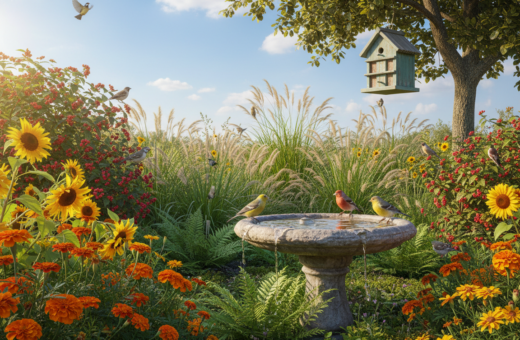
Small pools and birdbaths turn dry spaces into vital stops for migrating and resident species. A clean water feature is one of the easiest ways to attract wildlife to a garden.
Birds and other animals depend on shallow water for drinking and bathing, especially during hot, dry months. That use keeps feathers and fur healthy and helps insects and amphibians complete life stages.
Combine water with native plants to create a full habitat. Plants near the edge provide shelter, shade, and food for visitors. Together they support more species and extend how long animals stay in a space.
Keep water clean and change it regularly. Debris and algae reduce safety and can spread disease. A simple pump or a weekly rinse keeps a pond or birdbath healthy.
“Reliable access to water is becoming critical as the climate warms and seasonal patterns shift.”
- Install shallow basins with varied depths for different users.
- Add native plants on the margin to supply food and cover.
- Inspect water sources weekly and refresh as needed.
Connecting Your Yard to the Broader Ecosystem
Linking small patches of native plants across properties lets species travel and find food and shelter.
When neighbors create corridors of native plants, the movement of species improves and local habitat grows stronger.
Each yard that adds native trees and shrubs becomes a meaningful part of a larger ecological web. That network helps wildlife, including birds, access water and cover during stressful seasons.
Working with neighbors multiplies the impact on the environment. Even small habitat patches act as stepping stones across a neighborhood, helping species adapt to climate shifts.
- Plan native plant corridors to link isolated gardens.
- Coordinate water sources and shelter to aid movement.
- Focus on restoration so each home supports nature and the wider world.
Engaging Your Community in Habitat Restoration
Simple local events—seed swaps, talks, or volunteer workdays—often spark ongoing habitat restoration across a neighborhood. These activities turn individual efforts into a shared movement that benefits wildlife and people.
Practical ways to involve others include hosting a native plant swap, screening a film about local nature, or organizing a street-level planting day. Each project builds skills and spreads interest.
When neighbors act together they can form corridors that let animals move safely through the world. Collective work is vital for protecting insects and birds under stress from a changing climate.
“Small, sustained community efforts create habitat that lasts and connects across properties.”
- Share plants and knowledge to lower costs and boost native plant numbers.
- Map local sites to plan corridors and prioritize restoration projects.
- Celebrate wins to inspire more neighbors and sustain momentum.
By sharing a passion for backyard biodiversity, people can scale impact and restore pockets of habitat that matter regionally.
Overcoming Common Landscaping Challenges
Practical design and small steps make converting a conventional lawn into a wildlife-friendly garden doable. Many people worry that a native garden will look messy or require constant upkeep.
Begin with a plan: pick one area and test plants suited to the local climate. Staging the change reduces work and builds confidence.
Use vertical planting, containers, and trellises to expand habitat in tight spaces. This approach supports more species without losing usable lawn or patio space.
Combine function and form by mixing colorful native flowers with structured shrubs. A thoughtful design keeps the garden attractive and useful for wildlife.
- Break projects into small phases to ease the transition.
- Choose resilient native plants to withstand changing climate conditions.
- Balance aesthetics and habitat value so neighbors and families accept the change.
“Small, staged choices build lasting restoration and make a place that benefits people and the environment.”
Tracking the Success of Your Restoration Efforts
Using basic tools like camera traps and checklists helps people track ecological gains on their property. Simple records show which species visit and how often.
Over time, this research reveals the impact a new plant mix has on the local ecosystem. Regular notes on plant survival, insect sightings, and bird visits create a clear picture of progress.
Practical ways to monitor change:
- Set up a camera or phone trap to record wildlife activity during different seasons.
- Keep a weekly log of plants in bloom and species observed in the garden.
- Join citizen science projects to share data and support broader research.
Patience matters: it can take time for a garden to mature, but increased species counts are a strong sign restoration is working.
“Documenting the return of native birds and insects often becomes the most rewarding part of habitat restoration.”
Final note: every native plant added is part of a larger restoration effort. Simple monitoring turns individual projects into useful research that guides future habitat work and shows real impact.
Conclusion
Individual choices in gardens add up to measurable gains for local wildlife and ecological resilience.
Preserving biodiversity is both a moral duty and a practical need for the health of life on Earth. Small, steady actions restore habitat and bring nature back into neighborhoods.
When people plant native species, provide water, and remove invasives, they join a larger movement that protects local ecosystems. Together, communities can create a world where nature and people thrive in balance.
Acting now ensures the biodiversity we value remains vibrant for future generations.